How Protesters Became Content for the Cops
2 min readHow Protesters Became Content for the Cops
Protests have long been a tool for the people to express their grievances and demand change. However, in recent years, protesters have...
How Protesters Became Content for the Cops
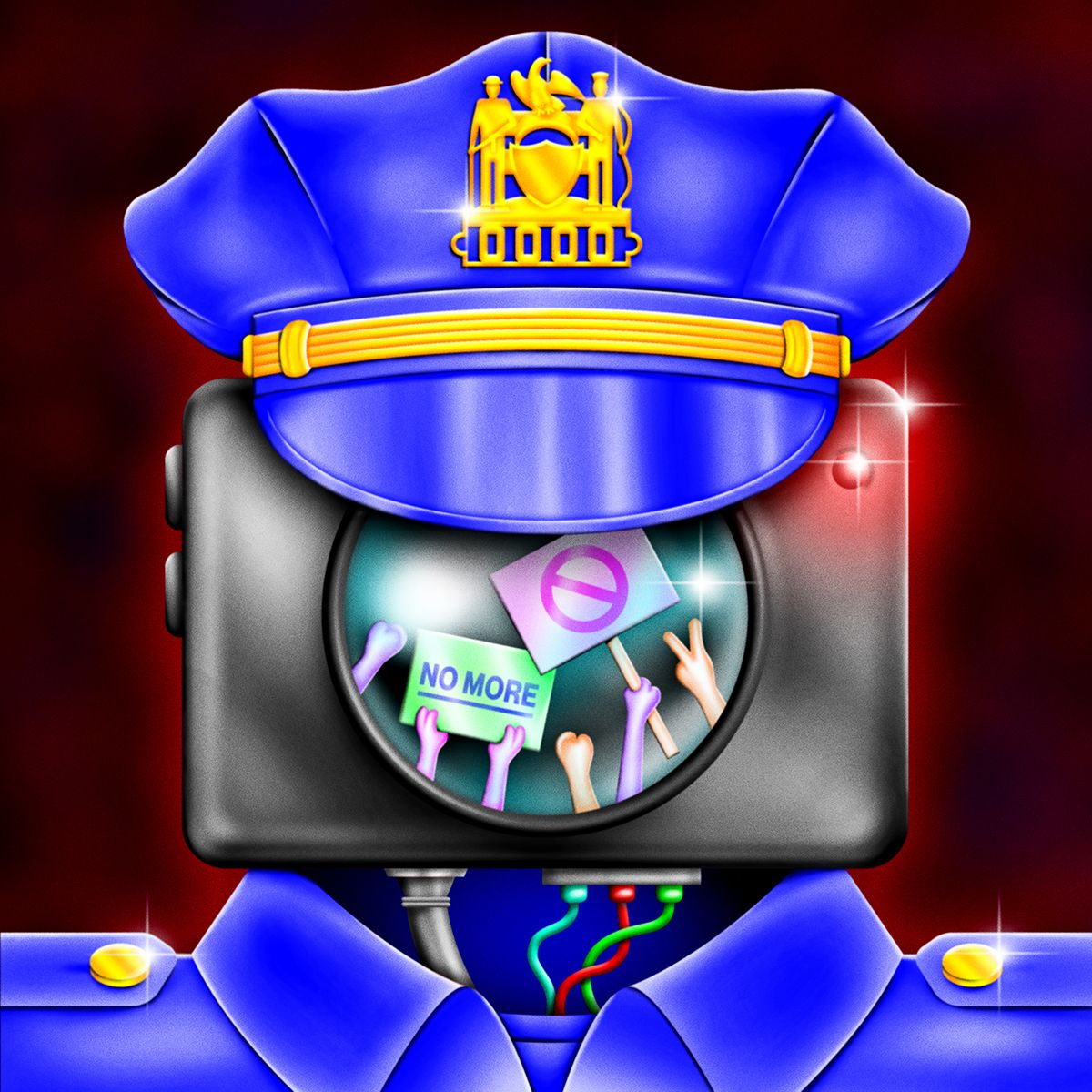
Protests have long been a tool for the people to express their grievances and demand change. However, in recent years, protesters have increasingly become content for law enforcement agencies.
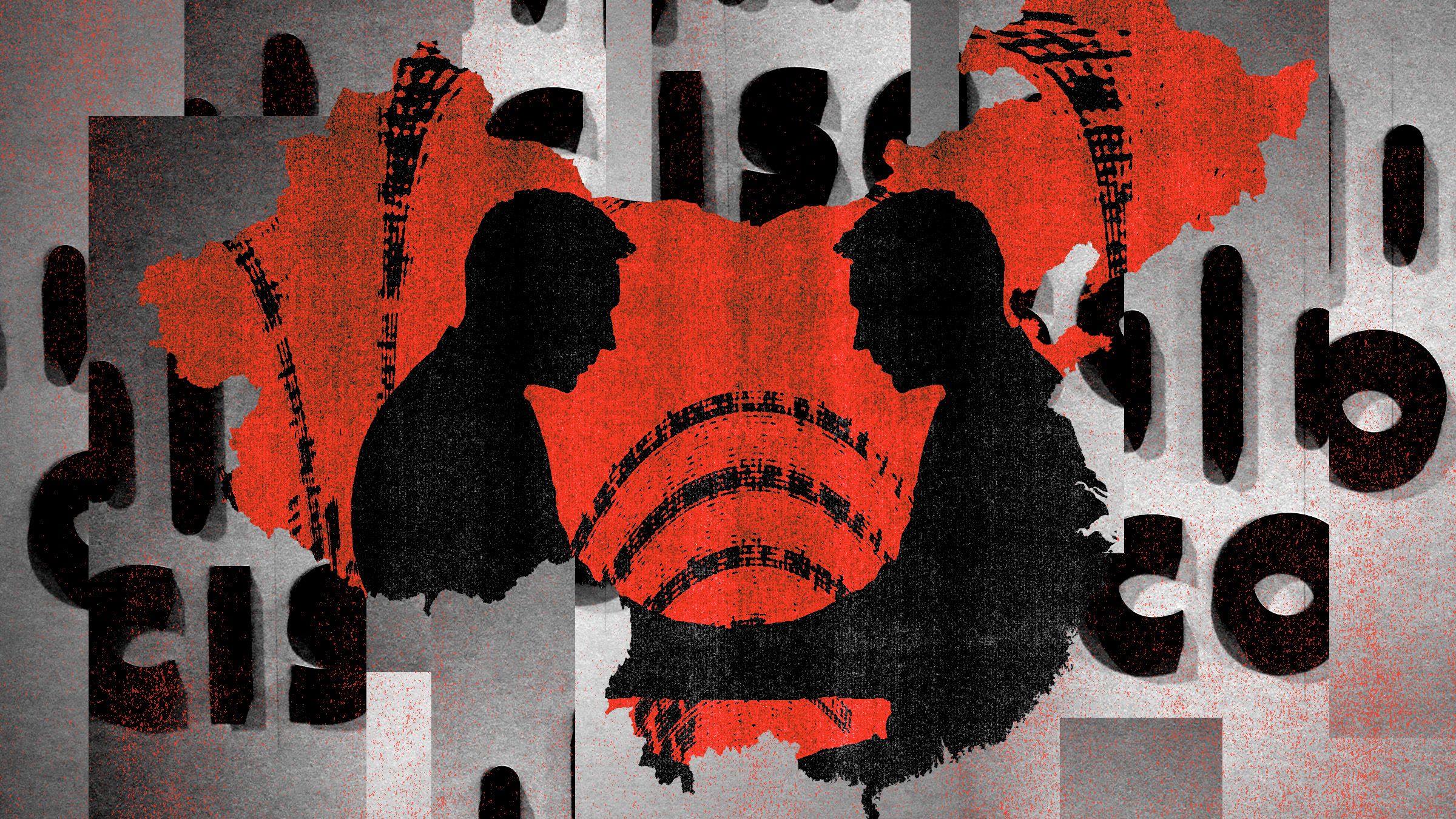
With the rise of social media and live streaming, protesters are now more visible than ever. This has led to a troubling trend where law enforcement agencies are monitoring, tracking, and targeting protesters based on their online activities.
Some police departments have even gone so far as to create dedicated units to surveil and collect information on protesters. This has raised concerns about privacy rights and the chilling effect it may have on free speech.
Furthermore, the use of surveillance technology such as facial recognition software and drones has made it easier for law enforcement to identify and detain protesters. This has led to accusations of police overreach and violations of civil liberties.
Despite these challenges, protesters continue to fight for their rights and demand justice. They have adapted by using encryption tools, wearing masks, and organizing decentralized actions to avoid detection by law enforcement.
Ultimately, the struggle between protesters and law enforcement is a reflection of larger societal issues around power, surveillance, and democracy. The way in which protesters are treated and monitored speaks to the state of our democracy and the balance of power between the people and the authorities.
As protests continue to evolve in the digital age, it is crucial for activists, lawmakers, and citizens to engage in meaningful conversations about the ethics and boundaries of surveillance and policing in our society.