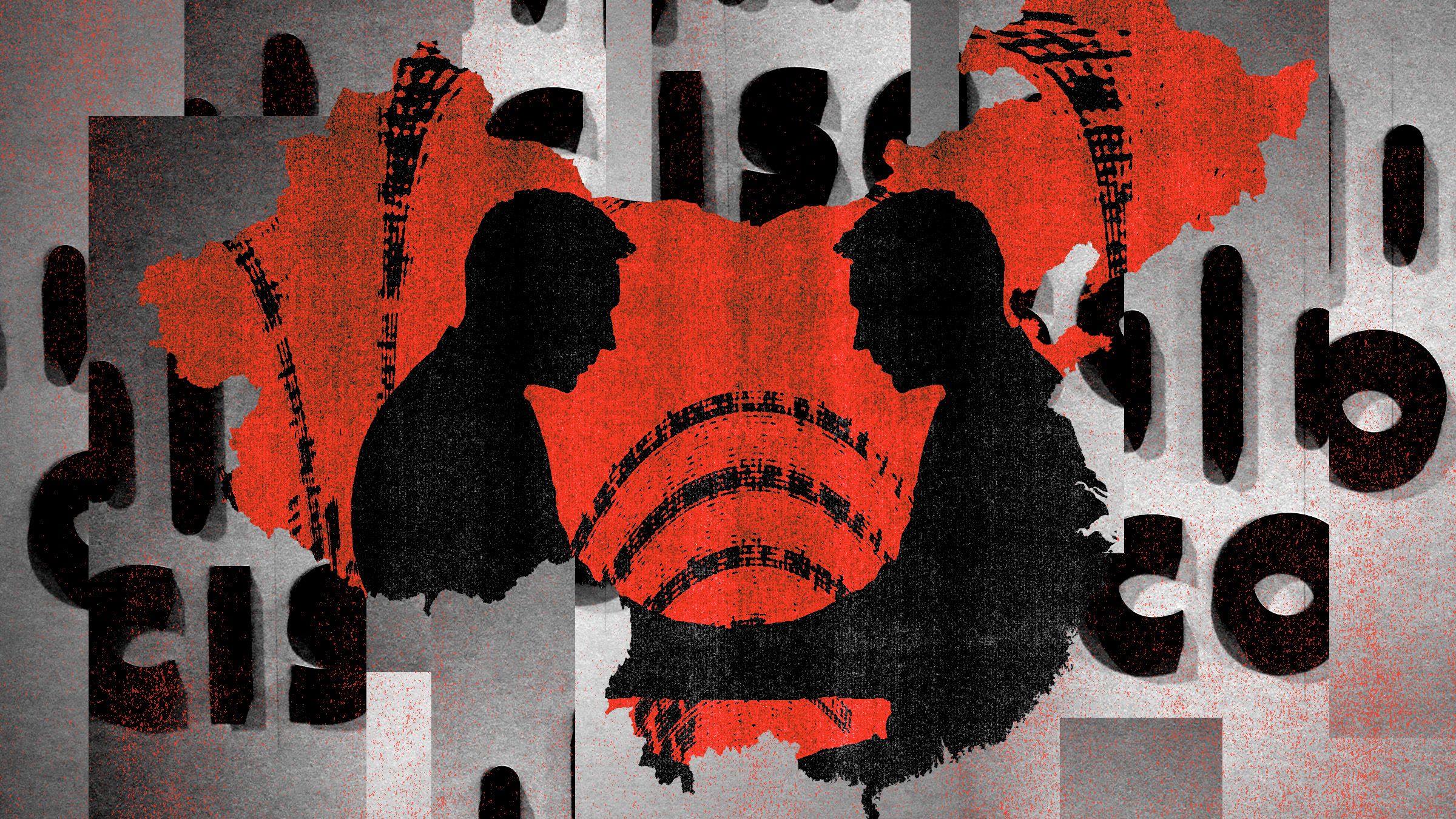
Warnings Mount in Congress Over Expanded US Wiretap Powers
2 min readWarnings Mount in Congress Over Expanded US Wiretap Powers
Members of Congress are raising concerns about the dangers of expanding wiretap powers in the United States. The proposed...
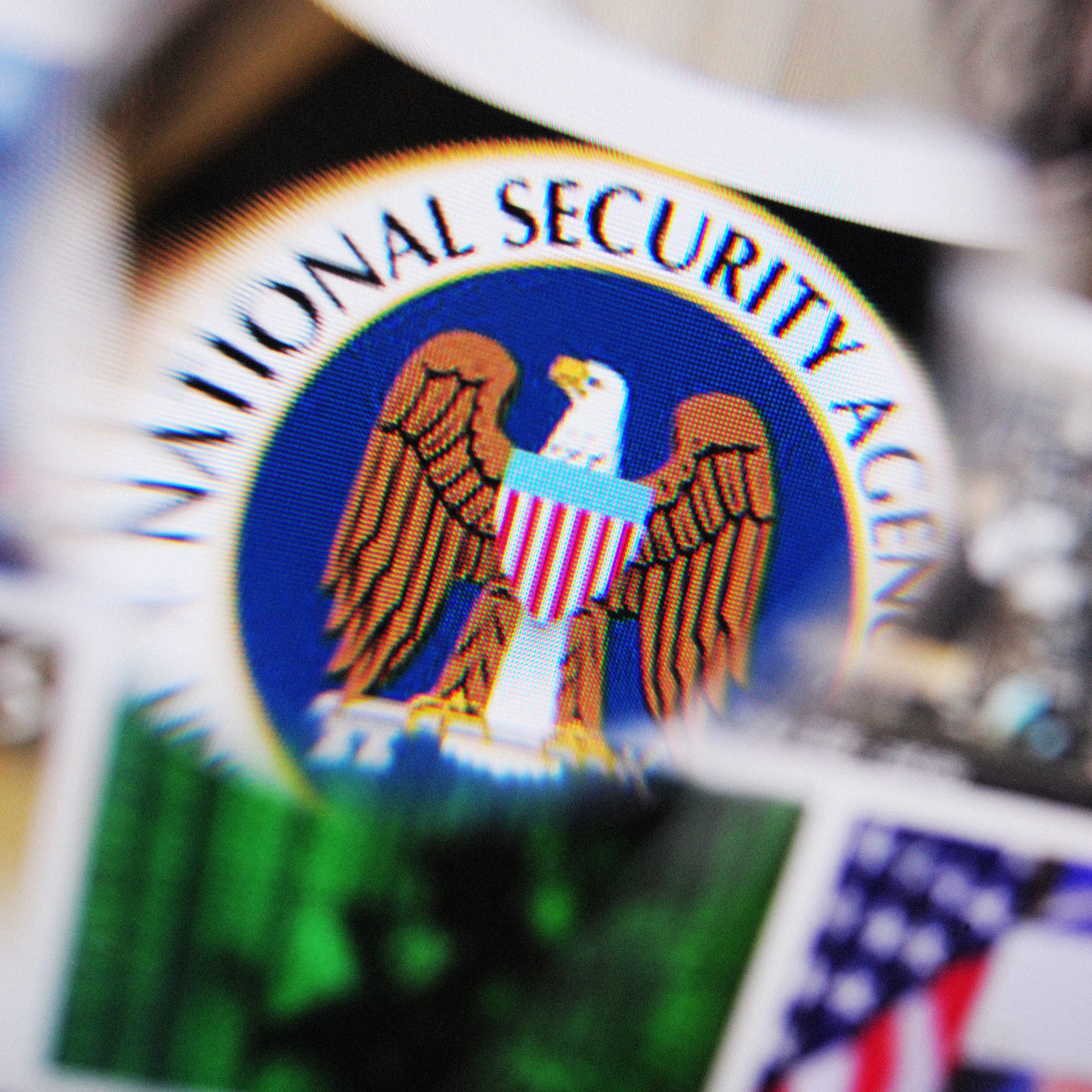
Warnings Mount in Congress Over Expanded US Wiretap Powers
Members of Congress are raising concerns about the dangers of expanding wiretap powers in the United States. The proposed legislation would grant law enforcement agencies the ability to conduct wiretaps on a wider range of electronic communications, including emails, text messages, and social media posts.
Opponents of the bill argue that it would violate the privacy rights of American citizens and could lead to abuse of power by government officials. They are calling for more oversight and accountability measures to be included in the legislation.
Privacy advocates have also sounded the alarm, warning that expanded wiretap powers could have a chilling effect on free speech and online expression. They fear that individuals may self-censor their communications out of fear of being surveilled.
Some lawmakers are pushing back against the proposed legislation, urging their colleagues to consider the potential consequences of granting such broad surveillance powers to law enforcement. They are calling for a more balanced approach that safeguards both national security and civil liberties.
As the debate over expanded wiretap powers continues to escalate in Congress, it is clear that the issue is far from settled. Lawmakers will need to carefully weigh the benefits and risks of granting greater surveillance authority to government agencies before moving forward with any new legislation.
In the meantime, concerned citizens are encouraged to educate themselves about the potential implications of expanded wiretap powers and to voice their opinions to their elected representatives. The outcome of this debate could have far-reaching implications for privacy and free speech in the United States.